Creativity beyond the fashion capitals
For decades, the international fashion landscape has been associated with a handful of influential cities. Milan, Paris, London and New York have shaped the industry's identity, becoming reference points for designers, brands and creative professionals.
Yet creativity has never belonged exclusively to these places.
New ideas often emerge in territories where different cultural influences intersect, where local traditions coexist with contemporary experimentation, and where creative expression is not necessarily constrained by established conventions.
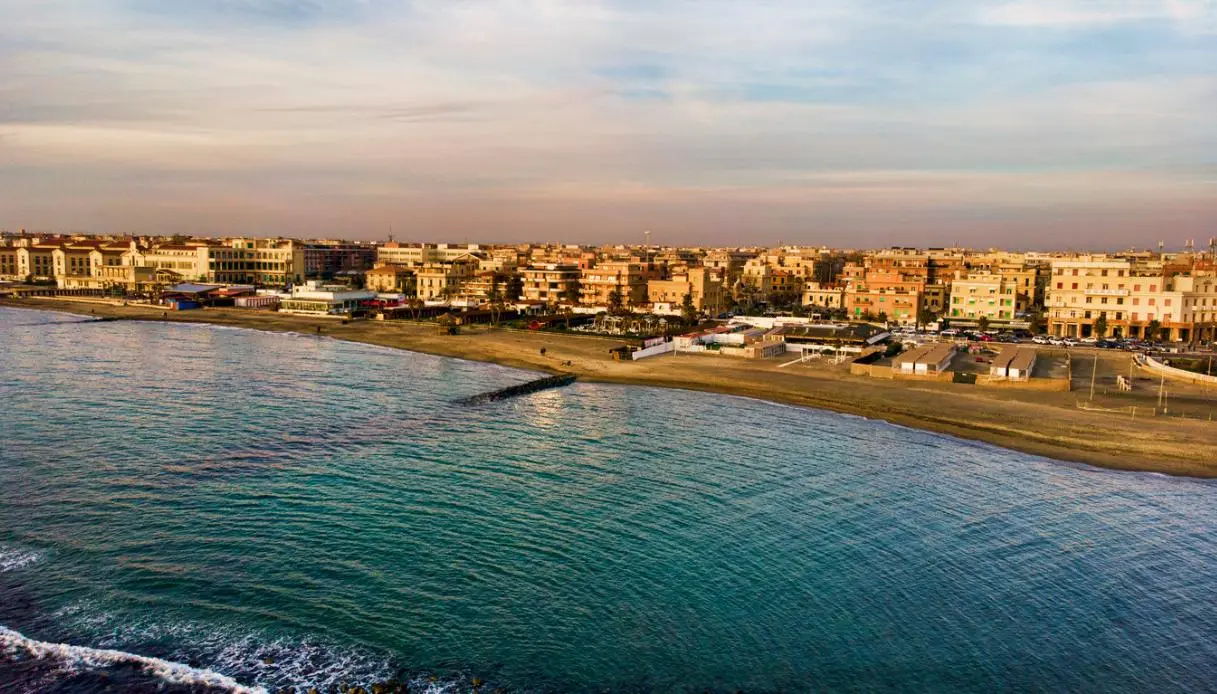
Ostia, on Rome's Mediterranean coastline, offers an interesting setting in which to explore this relationship between place, identity and creativity.
A territory between urban culture and the Mediterranean
Ostia occupies a distinctive position within the cultural geography of Rome.
Connected to the capital yet characterised by its own coastal identity, the territory combines urban life, maritime traditions, archaeological heritage and contemporary social experiences.
This combination creates a visual and cultural landscape that can inspire different forms of artistic expression.
The architecture, the changing light of the Mediterranean, the relationship between public spaces and the sea, and the everyday diversity of the local community all contribute to a sense of place that is difficult to reproduce elsewhere.
For fashion, these elements can become more than a backdrop. They can provide inspiration for colours, materials, silhouettes, visual storytelling and new creative narratives.
Fashion as a cultural language
Fashion is often described through collections, trends and seasonal presentations. But its significance extends far beyond clothing.
It is a language through which individuals and communities communicate identity, belonging, transformation and personal expression.
A garment can reflect cultural heritage, challenge established conventions or explore new relationships between the body and the surrounding environment.
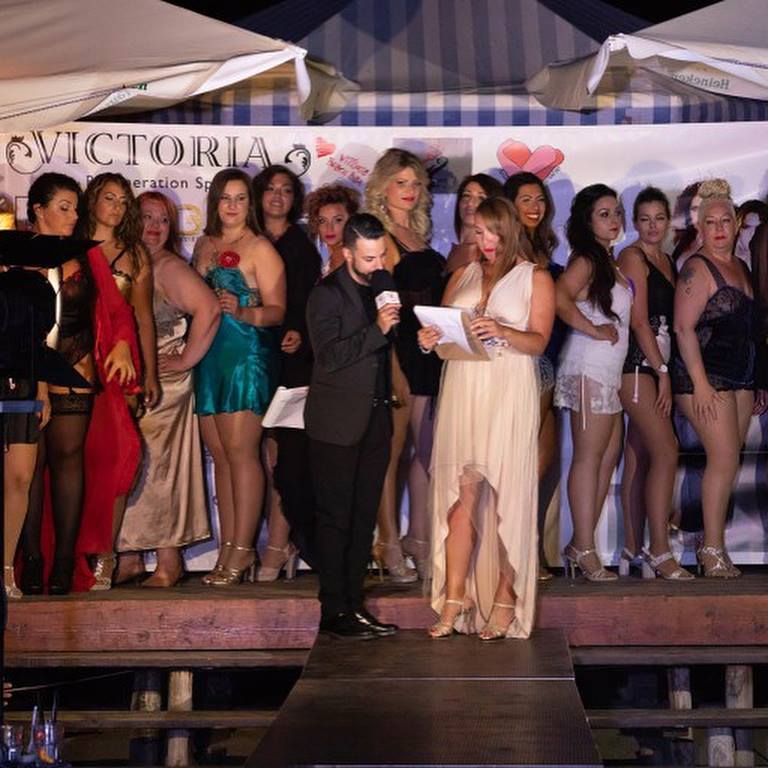
Contemporary fashion increasingly encourages dialogue between disciplines, bringing together design, photography, visual arts, craftsmanship, technology and performance.
In this broader context, creative territories do not need to imitate traditional fashion capitals. They can develop their own perspectives and contribute different stories to the international conversation.
New generations, new perspectives
The future of fashion is also shaped by emerging designers, independent brands and young creative professionals seeking opportunities to express their ideas.
For many of them, visibility remains one of the greatest challenges.
Creative talent can exist far from established industry networks, and geographical location should not determine whether an idea deserves attention.
Encouraging connections between emerging talent, educational institutions, artistic communities and industry professionals can help create environments in which creativity becomes a shared resource.
Such connections are especially meaningful when they encourage experimentation, cultural exchange and collaboration across different backgrounds.
The value of authentic creative identities
In an increasingly interconnected fashion industry, authenticity has become an important element of creative storytelling.
A territory's identity is not simply a visual aesthetic to be reproduced. It is the result of its history, people, experiences and ongoing transformations.
For Ostia, this means recognising both its Mediterranean character and its connection to the wider cultural life of Rome.
Rather than presenting the coastline merely as an attractive setting, a contemporary creative perspective can explore the deeper relationship between fashion, community and place.
This approach opens possibilities for narratives that are distinctive, meaningful and connected to real experiences.
Looking towards new creative horizons
The relationship between fashion and territory continues to evolve.
As creative industries become more open to interdisciplinary approaches and international collaboration, places outside traditional fashion circuits may find new opportunities to participate in cultural dialogue.
Ostia has the geographical, historical and human characteristics to contribute to that conversation.
Its potential lies not in becoming a replica of an established fashion capital, but in developing an identity rooted in its own experiences, landscapes and communities.
Because contemporary creativity does not always begin where the spotlight already shines.
Sometimes, it begins where someone chooses to look differently.