A territory with many stories
There are places that cannot be defined by a single image. Ostia is one of them.
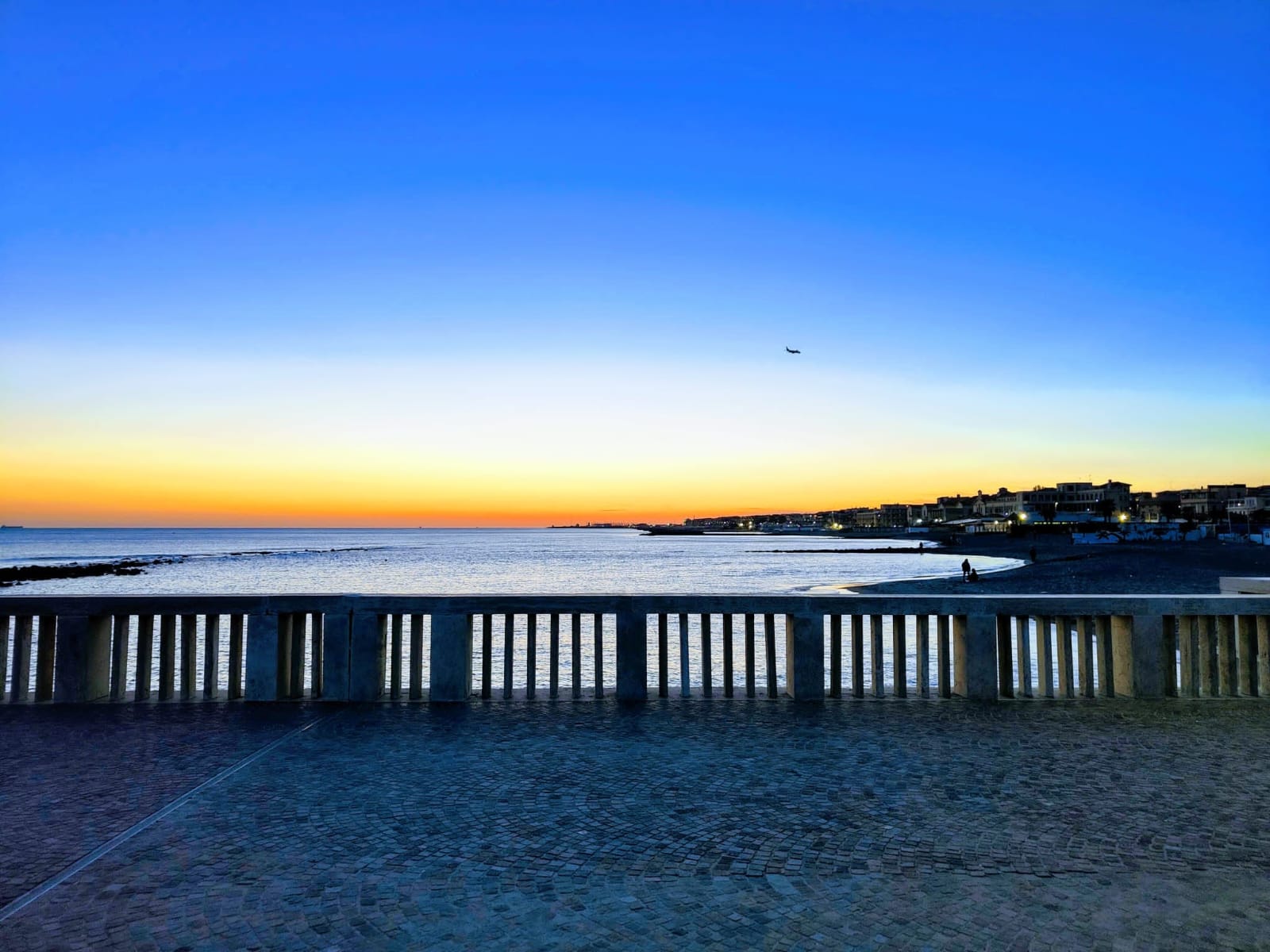
To some, it is the sea of Rome: a familiar destination where generations have spent their summers, walked along the waterfront and watched the changing colours of the Mediterranean.
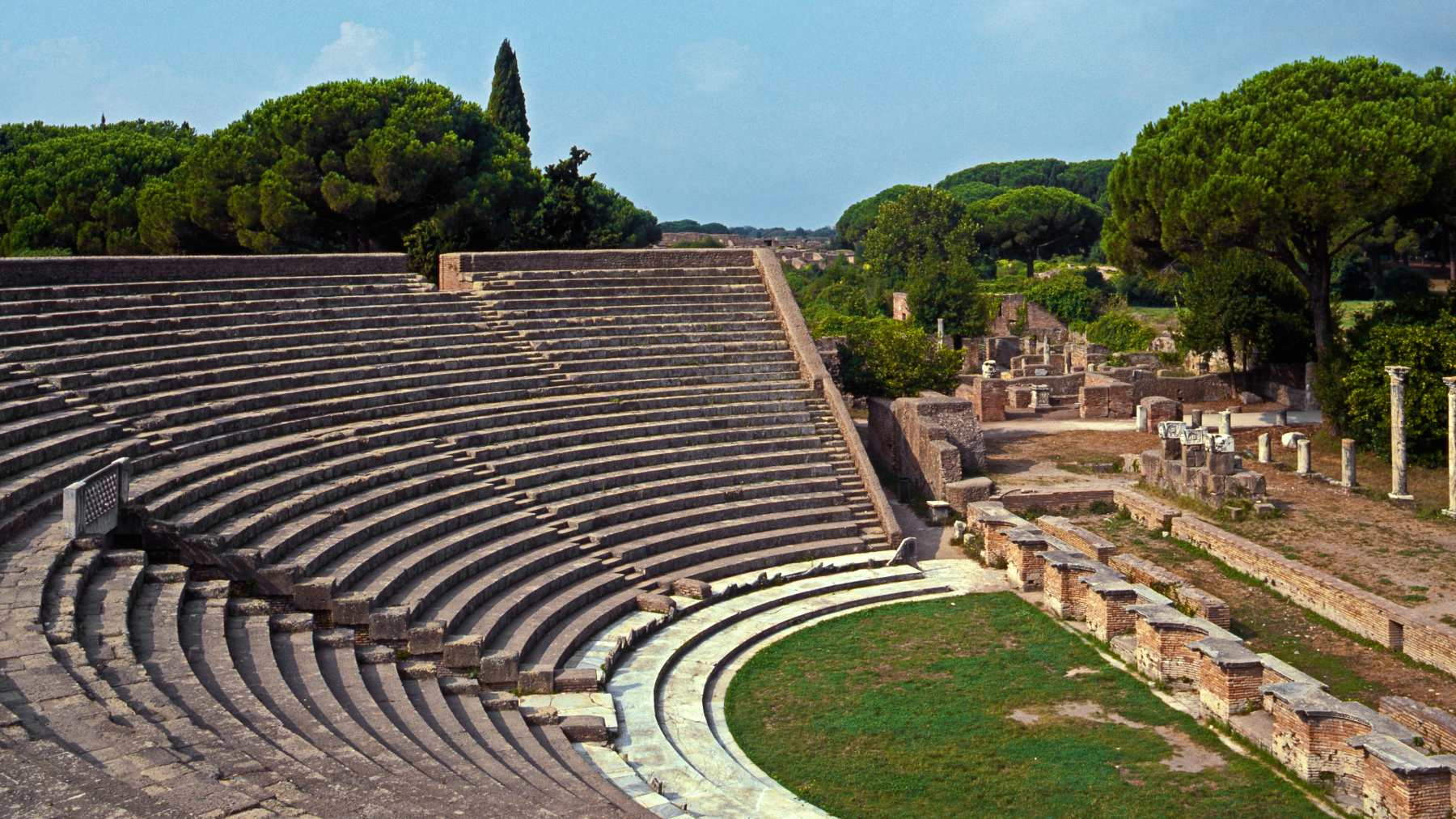
To others, it is a place of extraordinary historical significance, where the ancient streets of Ostia Antica reveal the everyday life of a city that once connected Rome to the wider world.
Yet Ostia is also something less immediately visible: a living territory made of people, traditions, ambitions and stories still waiting to be told.
Between history and the sea
The identity of Ostia has always been connected to movement and exchange.
In antiquity, its port played an essential role in Rome's commercial life. Today, its archaeological heritage offers a remarkable testimony to the cultural diversity and complexity of the ancient Mediterranean.
But history is only one part of its character.
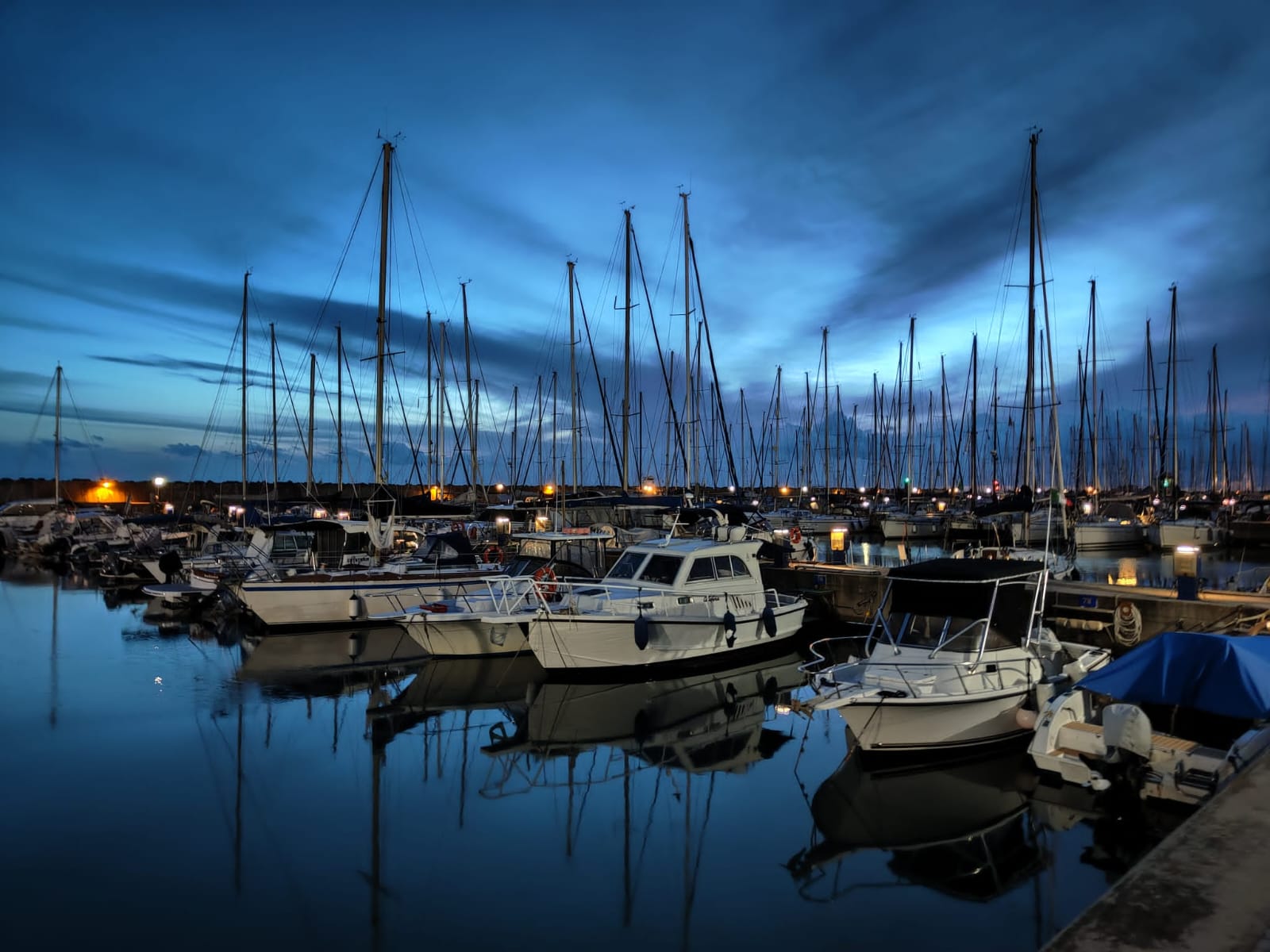
The coastline, the fishing traditions, the neighbourhoods and the places where local communities meet contribute to an identity that continues to evolve.
From the ancient ruins to the contemporary waterfront, Ostia brings together different landscapes and different ways of experiencing the same territory.
Creativity beyond expectations
Creative energy does not belong exclusively to major cultural capitals.
It can emerge from independent artists, young designers, photographers, musicians, artisans and people who imagine new possibilities for the places they call home.
Ostia has the potential to become an increasingly visible meeting point for these different forms of expression.
Fashion, art and culture can offer new ways of interpreting its identity, creating connections between local talent and international perspectives.
The challenge is not to transform Ostia into something else, but to recognise and give space to what already exists — while encouraging what has yet to emerge.
A new perspective on inclusion
A contemporary cultural identity is also defined by its ability to welcome different voices.
Inclusion is not simply a theme to be discussed. It is a perspective that can influence the way events are designed, stories are told and opportunities are created.
A territory becomes more dynamic when people with different backgrounds, experiences, abilities and creative visions can participate in shaping its future.
This approach is particularly meaningful in fashion, an industry increasingly called upon to question established conventions and represent the diversity of real people.
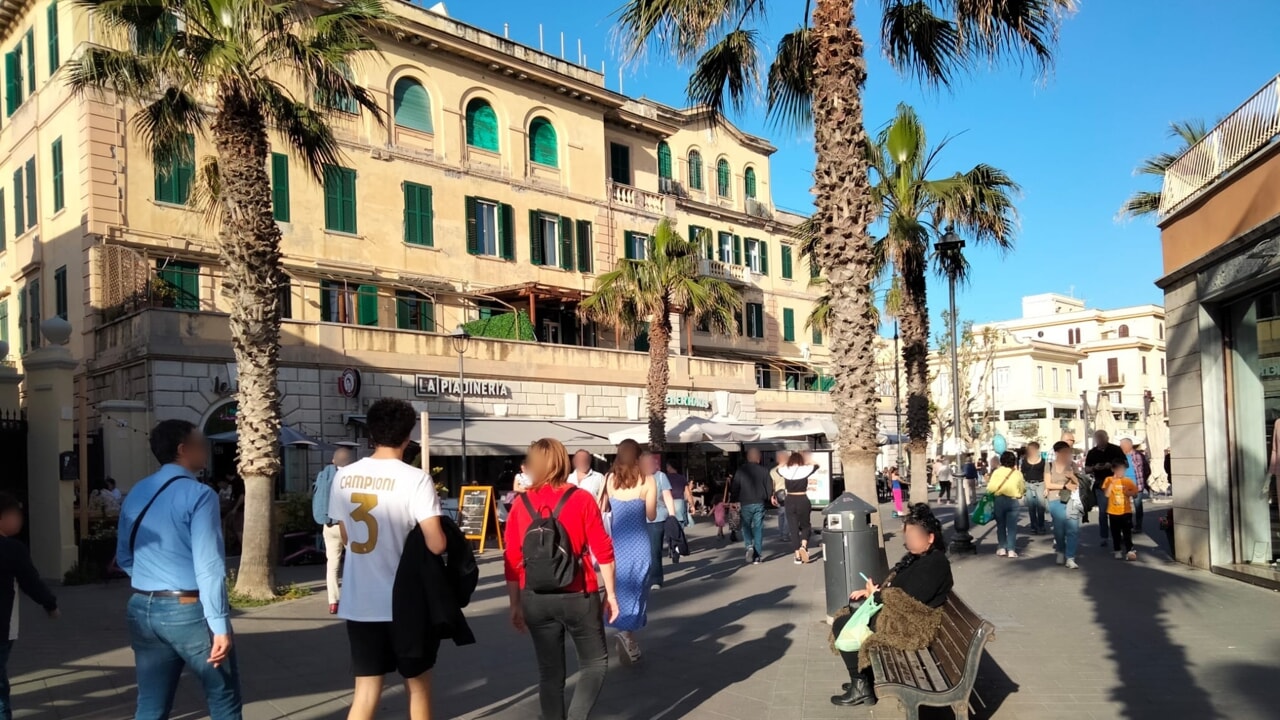
From local identity to international dialogue
It is within this broader vision that Ostia International Fashion Week takes shape.
Conceived as an international event rooted in the Sea of Rome, OFIW aims to create connections between fashion, creativity, culture and inclusion.
Its ambition extends beyond the runway: to encourage dialogue, bring different experiences together and contribute to a new cultural narrative for the territory.
Ostia does not need to abandon its identity to look towards the world.
Its history, its relationship with the sea and its contemporary communities are precisely what make that dialogue meaningful.
A story still being written
Perhaps the most interesting thing about Ostia is that its story is far from complete.
Between ancient heritage and contemporary aspirations, between familiar landscapes and emerging creative voices, there is room for new interpretations.
OFIW Magazine begins here: with the desire to observe, explore and share stories that deserve attention.
Because every place has a story.
And some places have many more stories than we imagine.